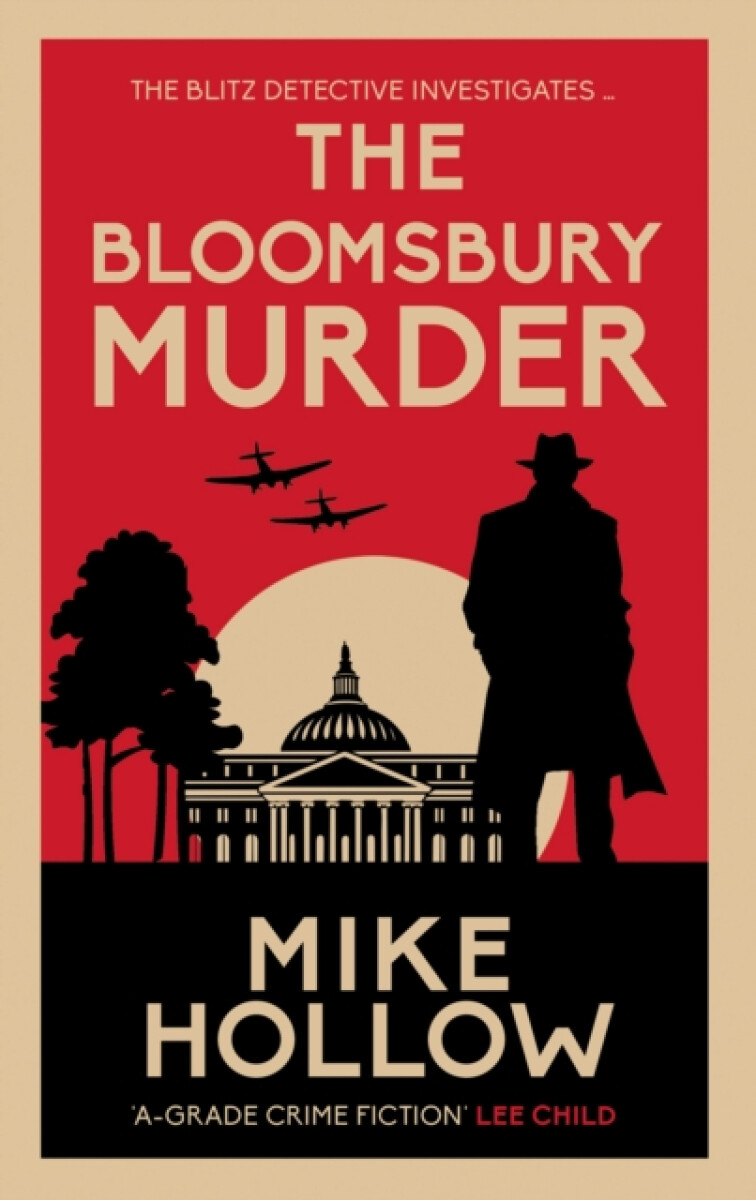
The Bloomsbury Murder - Mike Hollow
January 1941. When Detective Inspector John Jago is called to a house in London''s Bloomsbury, he finds the body of a woman who''s been attacked and left to die, her only crime seemingly being her…
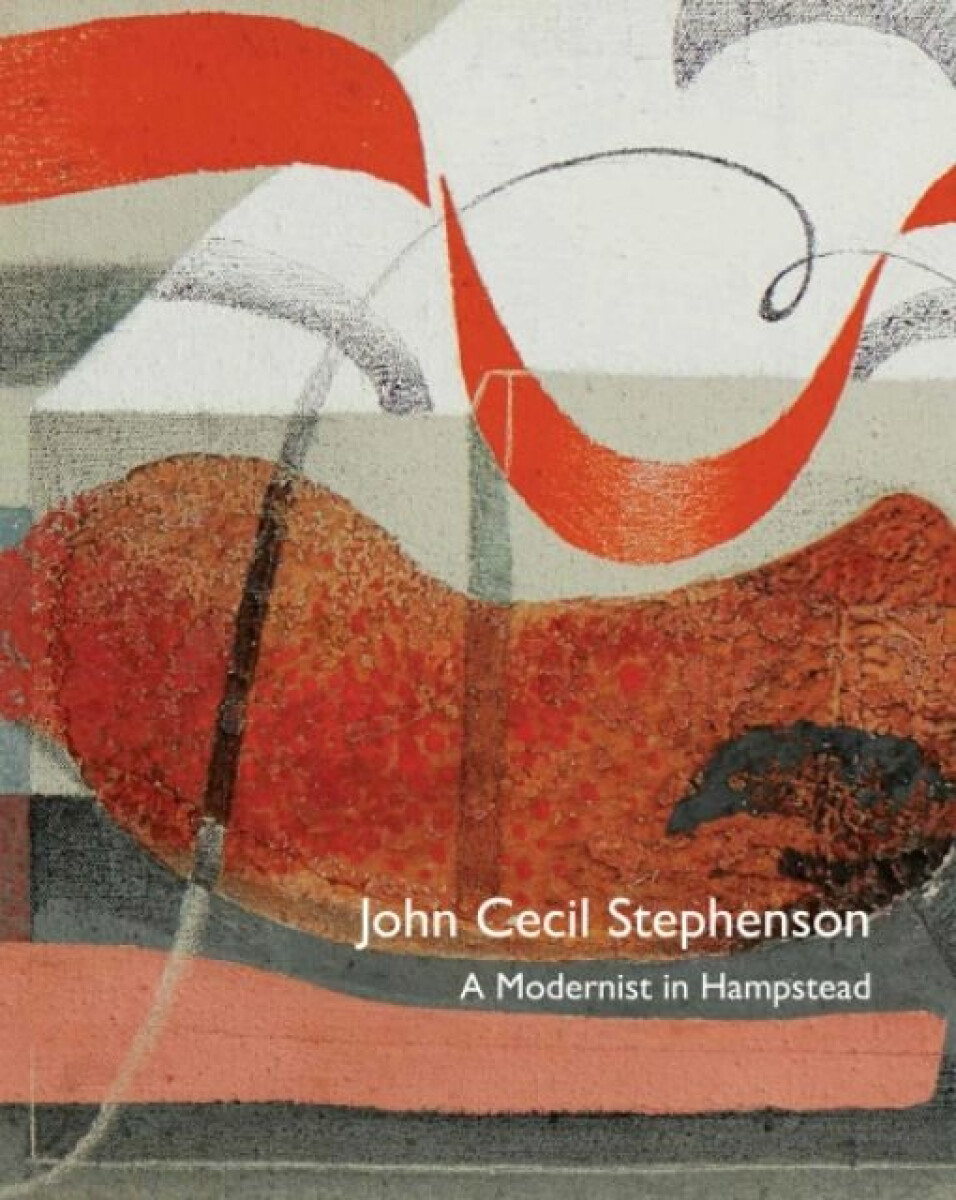
By the end of John Cecil Stephenson’s art school training – first a scholarship to Leeds Art School then to The Royal College of Art – he was in a position to produce still lives, landscapes and portraits in a professional capacity. Like many painters of his generation, who had received similarly conventional instruction, he became a competent teacher, appointed in 1922, as Head of Art at The Northern Polytechnic. In this mould Stephenson might have remained a largely undistinguished painter – but in the early 1930s he found himself at the centre of a group of artists with avant-garde credentials, and his own art underwent a remarkable transformation.  By 1934 he was exhibiting groundbreaking works such as Mask (CAT. 7), at the 7 & 5 Society, and in 1937 was a key contributor to the watershed publication and exhibition Circle, where his work was showcased alongside that of luminaries such as Kazimir Malevich, Le Corbusier, Fernand Léger, Alberto Giacometti and Pablo Picasso. What led Stephenson to become, in the words of the celebrated art critic Herbert Read, ‘one of the earliest artists in the country to develop a completely abstract style’?  Between March 1919 and November 1965, John Cecil Stephenson lived in London at No. 6 Mall Studios, off Tasker Road, Hampstead. As the father figure of what Read christened ‘a nest of gentle artists’, his next door neighbours included, during the course of the decade leading up to World War II, Barbara Hepworth, John Skeaping, Ben Nicholson and Henry Moore. Such fertile ground was further enriched by visits from artists fleeing persecution – including Piet, László Moholy-Nagy and Alexander Calder – just a few of the many internationally acclaimed artists who, whilst passing through London, formed part of the art set who congregated around Read’s house at No. 3 Mall Studios.
January 1941. When Detective Inspector John Jago is called to a house in London''s Bloomsbury, he finds the body of a woman who''s been attacked and left to die, her only crime seemingly being her…
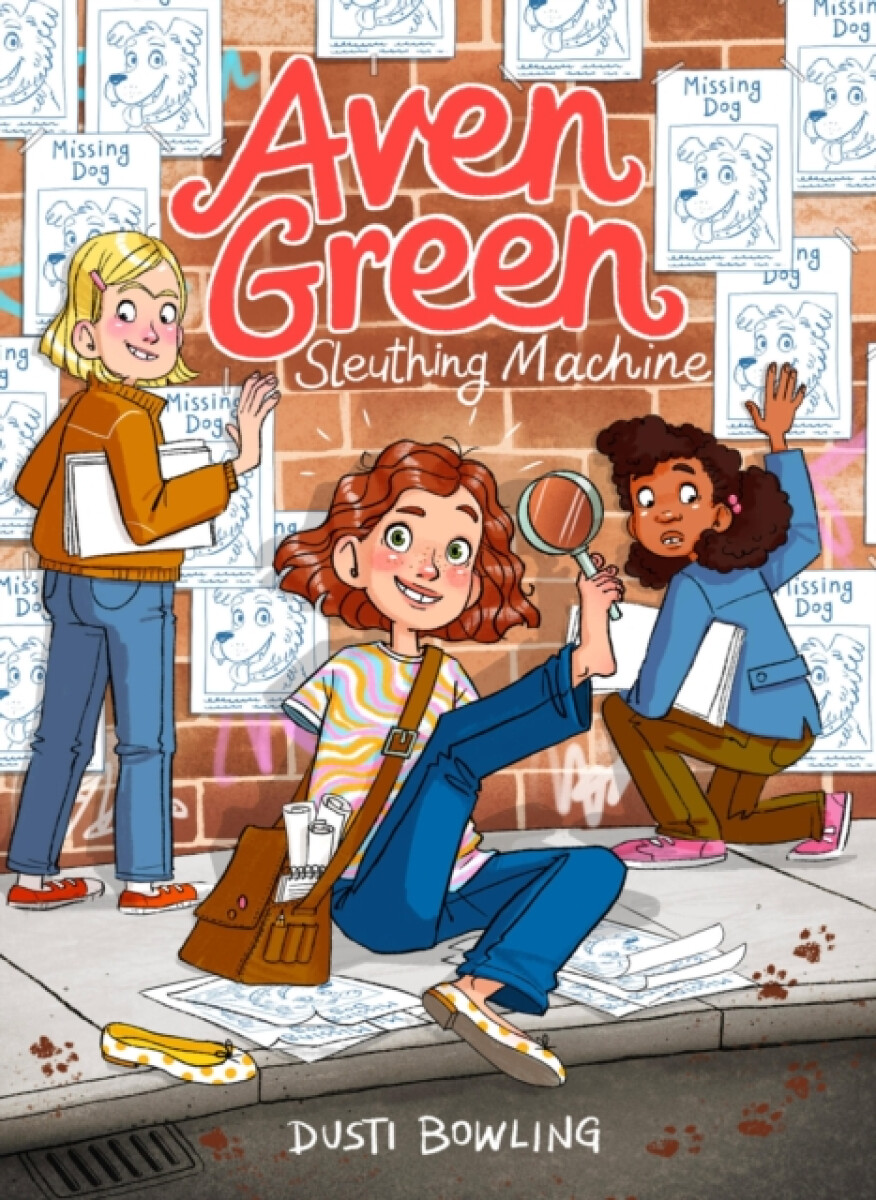
Third-grader Aven Green has been solving mysteries for a really long time—a whole month! She’s solved many important cases like The Mystery of the Cranky Mom, The Mystery of the Missing Ice Cream, and The…
This guidebook is designed to support professionals with the effective use of the storybook, Luna Little Legs, which has been created help preschool aged children understand about domestic abuse and coercive control.Sensitively and accessibly written,…
A guidebook to walking the Adlerweg (Eagle''s Way) trail between St Johann in Tirol and St Anton am Arlberg via Innsbruck. Covering 324km (201 miles), this long-distance trek through the Austrian Tyrolean Alps is suitable…
Co báseň, to podivné hlášení rozhlasu. Inzerát na pustý ostrov pro trosečníky, klávesnice místo žebříku do kurníku, pokuta na toaletě, mořská panna v bazénu, gigantické slevy řítící se na Prahu a spousta dalších absurdních i úsměvných nápadů ve…
The bestselling English translation of the ancient classic of Chinese divination that has inspired millions with its timeless insights into the changing nature of all existenceThe I Ching, or Book of Changes, has exerted a…
Pozitivní nálada za každé situace? To je tak trochu utopie, ne? Kdo z nás by se dokázal neustále hihňat a pousmívat třeba ve chvíli, kdy se mu hroutí život, v práci na něj křičí šéf…
Ferdinand Krch (1881-1973) patří mezi nejvýraznější české učitele-pokusníky, obětavé pedagogy, kteří se snažili zlepšit výukové podmínky na školách. Po násilně ukončeném bezprecedentním experimentu, jímž byl "jeho" Dům dětství pro válečné sirotky, se Krch věnoval redakční…